For almost two years in Mozambique, I had no legal papers.
Whenever I heard about a police check, I went to one house in the village and sat there.
The man who lived there worked as a night guard at a Bangladeshi's shop. A very simple, very calm man.
In 2022, I went back to that house with my camera.
Simple, hard-working and built by hand.
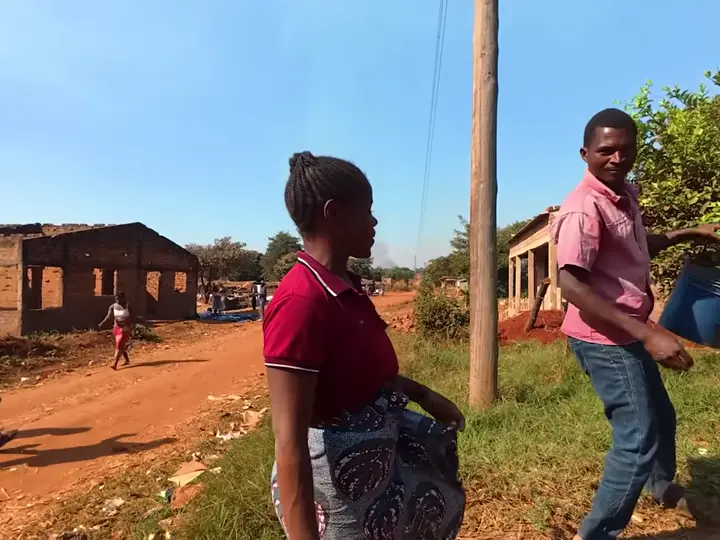
Village life in Mozambique, as I have lived it around Sussundenga since 2018, is simple and built by hand. People burn their own bricks, grow maize and sweet potatoes, draw water from wells and shop at open-air markets. It reminded me of Bangladesh in the 1990s.
- Where I live
- Around Sussundenga, Manica Province, central Mozambique
- Arrived
- August 2018
- Without papers
- Almost two years, at the start
- Currency
- Metical (MT): coins, then plastic and paper notes
- The building rule
- Stay 30 metres back from the main road
- My first job
- A warehouse buying maize and sesame from farmers
01 — October 2022The house I ran to when the police came checking
“Good afternoon! You know our local language too?”
“Me? A little!”
I hadn't been to that house in a long time. I used to come all the time. I'd walk all around, and go down that side too. Back then, this house wasn't even built.
So I told my viewers the secret.
When I was new here, I had no legal documents for almost two years. If I heard any news of a police check, I came to this house and sat here.
One of his huts has a thick grass roof, shaped like a triangle. I asked if it needs plastic underneath.
No, he said. However hard it rains, no water gets in. There's enough straw, and the shape keeps it out. A tin roof is different. That needs plastic underneath, in case of holes.
He knows Bangladeshis well. “You mostly eat rice, don't you?” he asked. Yes, I said. Rice, above all.
Some of the little children were scared of me. “They're suddenly seeing a foreigner,” the old man said. “If they see you a few more times, they'll get used to you.”
Others shouted “Mu'shina!” It means “China is coming!” Here, children call foreigners China.
When I left, he gave me a bag. “Not boiled. Raw. Take it home and eat it.” And: “Come back again!”
02 — January 2023Why I called it Bangladesh in the 90s
Red dirt roads. A post office. A man building his house with bricks he burned himself.
When I put this walk online in January 2023, I called it “Bangladesh in the nineties”. If you grew up in a Bangladeshi village back then, you'll see why.
We came in on the road to a village called Muninga. There's a proper system here: a place for cars to stop, and a road for cars to leave. On one side, the hospital. On the other, the market. Ahead, the post office.
And a rule. By government order, you build at least 30 metres back from the main road. Any building, private or government.
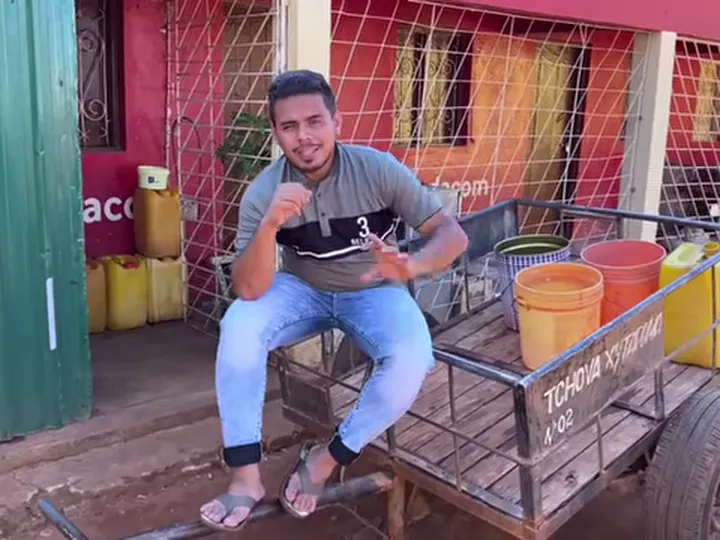
Then we walked into the homes.
One man was building a new house. The bricks were made right there and burned at home. He showed me round: a kitchen, a dining room, a living room, and a room for the children.
Every yard had maize. Every yard had sweet potatoes. People here eat the leaves too.
This is an organic life. Nothing artificial. Their whole life comes from nature. And they work very, very hard.
03 — March 2023Plastic notes, and money that can't go home
The first question every Bangladeshi asks me: is their money bigger than ours?
Mozambique's money is the metical. One, two, five and ten are coins. Then come the notes: 20, 50 and 100 are plastic, like our old plastic ten-taka note. 200, 500 and 1,000 are paper. The 1,000 is the biggest.
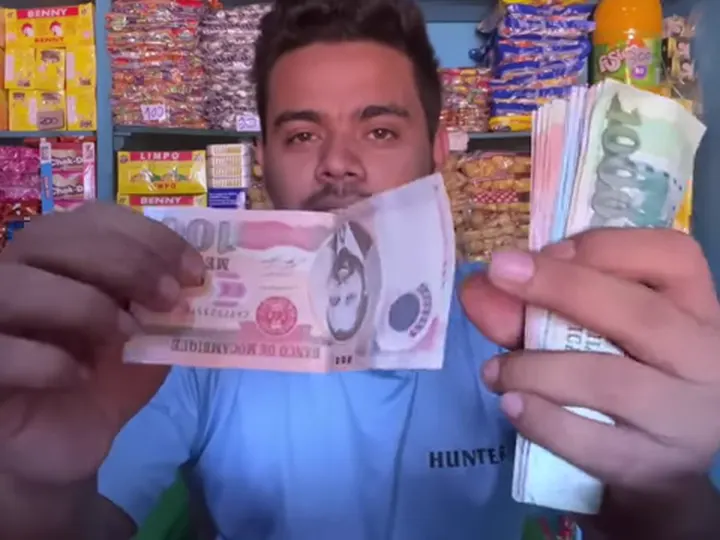
The notes carry the face of Samora Machel, Mozambique's first president.
Then comes the harder question. How does money get home?
When I filmed this in March 2023, there was no official banking channel between Bangladesh and Mozambique. No legal way to send money at all. So people used hundi, the informal route. Western Union paid even less.
Rates change every day, so check a current rate before you change or send money.
04 — 2018, and 2025My first job: a warehouse full of maize
Seven years ago, my working life in Africa began inside a big tin shed.
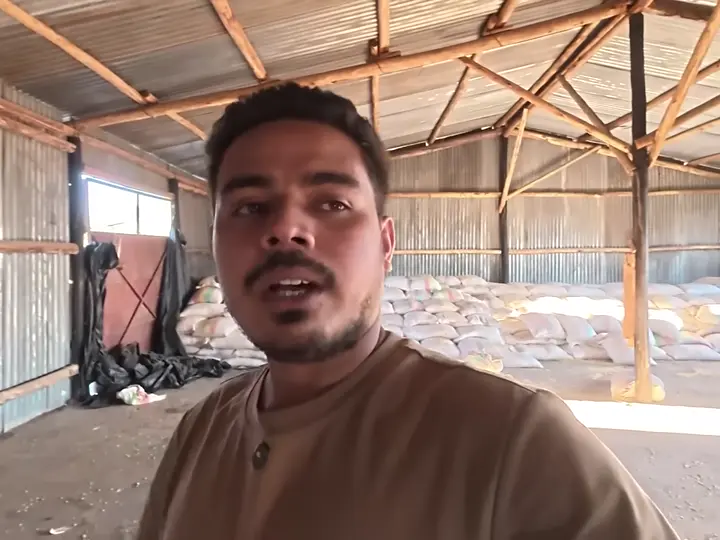
When I first came to Mozambique, this warehouse was my first workplace.
Maize and sesame came in by the truckload and were unloaded here. It can hold about 20 trucks' worth, at around 30 tons a truck.
From here, the goods were sold on to bigger clients. They most likely exported them.
The warehouse was built about ten years ago. Since my time, it has been renovated and set out differently. It's still the same huge shed.
05 — October 2025The jungle became a market
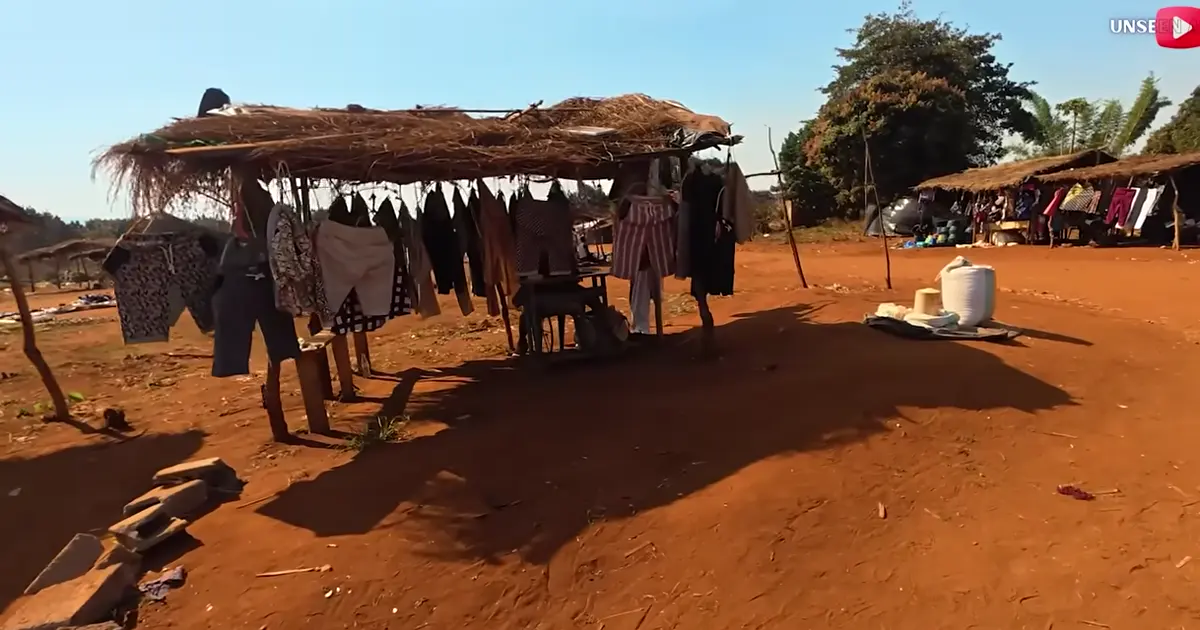
In October 2025, I filmed my village again. One corner had changed completely.
It used to be bush. Now it's a market, moved in from the roadside. Clothes hang from poles under grass roofs. A tailor works at a sewing machine in the open air. Jeans are laid out in rows on the red earth.
Customers? Fine, one trader told me. But the market is new, and people are still getting to know it. In four months, or from next year, it will grow.
Near the market is a well. Women lower a bucket on a rope and fill yellow jerrycans, one bucket at a time. Look how hard they work.
And the people? They are a story of their own. My jungle grandfather, my African mother, my dadi. That's the next chapter.
WatchWalk through the village with me
Watch “আফ্রিকার গ্রামীণ জীবনযাপন | এ যেনো নব্বই দশকের বাংলাদেশ” on YouTube


FAQQuestions people ask about village life in Mozambique
What is village life like in Mozambique?
In the villages around Sussundenga where I have lived since 2018, people build with bricks they burn themselves, grow maize and sweet potatoes, draw water from wells and shop at open-air markets. To me it feels like Bangladesh in the 1990s.
What money do they use in Mozambique?
The metical (MT). The small amounts are coins, the 20, 50 and 100 notes are plastic, and the 200, 500 and 1,000 notes are paper. Rates change every day, so check a current rate before you change money.
How do Bangladeshis in Mozambique send money home?
In March 2023, there was no official banking channel between Mozambique and Bangladesh, so people used hundi, the informal route.
Where do you live in Mozambique?
In the area around Sussundenga, in Manica Province in central Mozambique. I arrived in August 2018 and have lived in the village for about seven years.
Why do children in Mozambique call foreigners “China”?
In my village, children shout “Mu'shina”, meaning “China is coming”, when they see a foreigner. To them, any outsider is “China”.
What crops do villagers grow in Mozambique?
Around my village, almost every yard grows maize and sweet potatoes, and people eat the sweet potato leaves as a vegetable. Maize and sesame are also bought up from farmers in bulk and sold on for export.